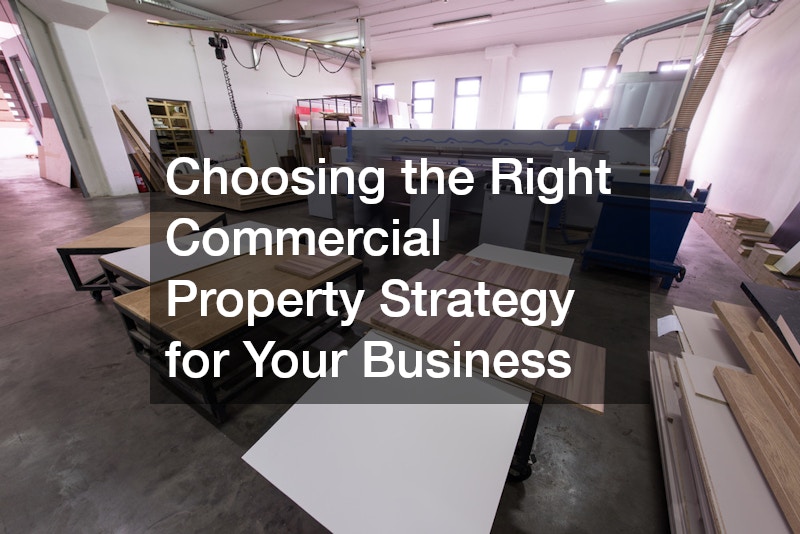
Choosing the right commercial property strategy is one of the most important decisions a new business owner will make. The location, size, condition, and ownership structure of a property can influence everything from operational efficiency to long-term profitability. While many entrepreneurs focus heavily on launching products or services, the physical space where business activities occur often plays an equally significant role in determining success. Whether a company operates in retail, manufacturing, hospitality, healthcare, or professional services, the property itself becomes a critical business asset.
One of the first considerations involves deciding whether to buy or lease. Both options offer unique advantages and challenges. Leasing typically provides flexibility, lower upfront costs, and the ability to relocate more easily as business needs evolve. Purchasing, on the other hand, may offer greater control, long-term equity growth, and protection from rising rental costs. Understanding how these options align with financial goals, growth projections, and operational requirements is essential before making a commitment.
Beyond the initial decision, business owners must consider the ongoing responsibilities associated with managing a commercial property. Building systems, exterior maintenance, utility infrastructure, safety features, and customer accessibility all require attention. Ignoring these areas can result in unexpected expenses, operational disruptions, and negative customer experiences. A proactive approach to property management helps businesses maintain a professional image while protecting their investment.
Modern commercial properties are also expected to support efficiency and sustainability. Businesses increasingly seek facilities that reduce energy consumption, improve resource management, and provide flexibility for future expansion. Careful planning during the property selection process can help organizations avoid costly renovations and upgrades later.
Another important factor is understanding the relationship between the physical property and business operations. A restaurant may require specialized equipment and utility systems, while a warehouse may prioritize logistics and transportation access. Retail locations often focus on visibility, parking, and customer convenience. Every industry has unique property requirements that should influence decision-making.
By evaluating ownership options and planning for long-term facility needs, business owners can create a strong foundation for growth. The following considerations highlight important aspects of commercial property management that contribute to operational success and long-term stability.
Evaluating Ownership and Rental Options Before Making a Commitment
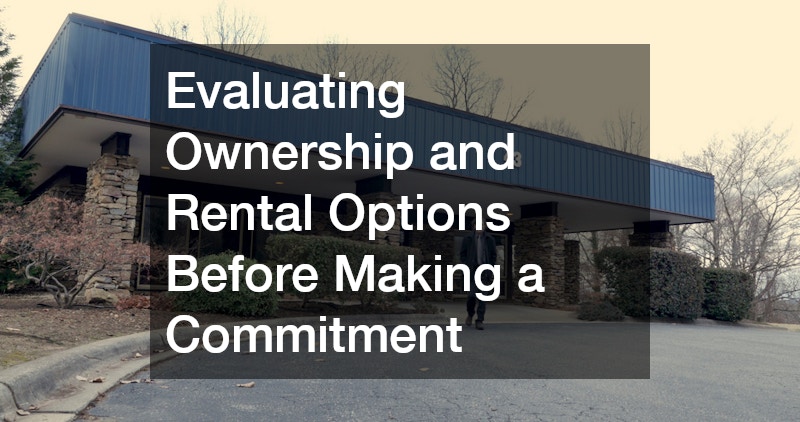
One of the first decisions a business owner faces is whether to purchase a building or secure a commercial property for lease. Leasing often appeals to startups and growing companies because it requires less upfront capital and provides flexibility if business needs change. This option allows organizations to preserve cash flow while focusing on growth and operational investments.
Leasing can also simplify financial planning since many maintenance responsibilities fall to the property owner rather than the tenant. This reduces unexpected repair costs and allows businesses to allocate resources more predictably. In addition, lease agreements often include access to shared amenities or upgraded facilities that might otherwise be expensive to install independently.
Purchasing a property may provide long-term financial benefits through equity accumulation and greater control over the facility. Owners can customize the space without many of the restrictions commonly found in lease agreements. They may also benefit from property appreciation over time.
Ownership also offers greater stability, as businesses are not subject to lease renewals, rent increases, or relocation requirements. This can be especially valuable for companies that rely on established customer access or specialized infrastructure. Over time, owning may also create opportunities for leasing unused space to generate additional income.
When comparing these options, businesses should evaluate budget constraints, anticipated growth, maintenance responsibilities, and location requirements. Understanding the total cost of occupancy can help decision-makers select the most appropriate strategy. A thoughtful approach reduces risk and positions the business for future success.
Planning for Temperature-Controlled Operations and Storage
Businesses that handle food, pharmaceuticals, floral products, or other temperature-sensitive items must carefully consider cooling requirements when selecting a facility. Commercial refrigeration services play an important role in maintaining product quality, regulatory compliance, and operational efficiency. Without reliable refrigeration systems, businesses may face inventory loss and customer dissatisfaction.
These systems also contribute to energy management and cost control when properly designed and maintained. Modern refrigeration technology often includes efficiency features that help reduce electricity consumption while maintaining stable internal temperatures. This can significantly improve long-term operational sustainability.
Property evaluations should include an assessment of existing cooling equipment and available infrastructure. Some facilities may already have refrigeration systems installed, while others may require significant upgrades. Understanding these requirements before signing a lease or purchasing a building can help avoid unexpected expenses.
It is also beneficial to review system capacity relative to projected business volume. Underpowered systems can struggle during peak demand periods, leading to inefficiencies and potential product loss. Ensuring scalability helps businesses remain adaptable as operational needs evolve.
Ensuring Reliable Hot Water for Daily Business Needs
Many commercial operations depend on consistent hot water availability. Restaurants, healthcare facilities, hotels, laundromats, and manufacturing businesses often require substantial hot water capacity to support daily activities. Installing the right commercial gas water heater helps ensure operational reliability and efficiency.
Hot water systems also play a key role in sanitation and regulatory compliance, particularly in industries where cleanliness standards are strict. Reliable temperature control supports safe food preparation, medical sanitation processes, and industrial cleaning requirements.
Property owners and tenants should evaluate current water heating systems when assessing a facility. Older equipment may be inefficient, expensive to maintain, or incapable of meeting operational demands. Upgrading to modern systems can improve performance while reducing energy consumption.
It is also important to assess recovery rate and peak demand capacity. Systems that cannot keep up during busy periods may cause disruptions that affect productivity and customer satisfaction. Proper sizing ensures consistent performance throughout the day.
Long-term planning should also account for future growth. Businesses that anticipate expansion may benefit from systems designed to accommodate increased demand. Reliable hot water infrastructure supports productivity while minimizing service interruptions.
Protecting Your Building From Weather-Related Damage
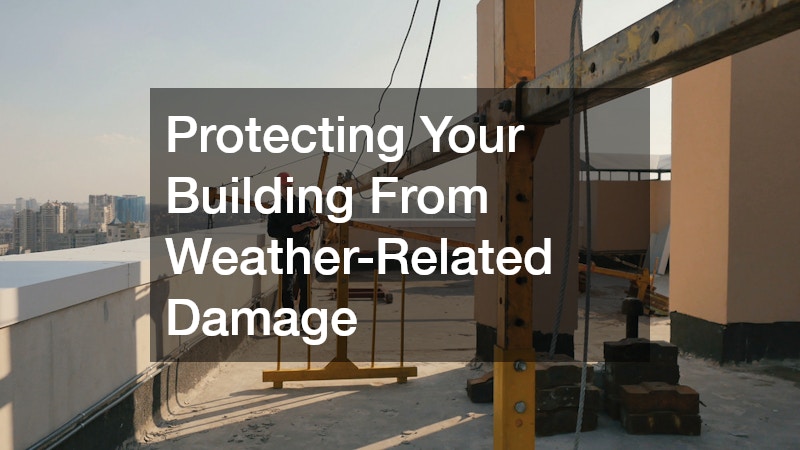
The roof serves as one of the most important protective components of any commercial property. Exposure to sun, rain, wind, snow, and fluctuating temperatures can gradually weaken roofing materials and create vulnerabilities. Commercial roof repair helps address issues before they escalate into costly structural problems.
A well-maintained roof also plays a major role in energy efficiency by helping regulate indoor temperatures. Damage or poor insulation can lead to increased heating and cooling costs, placing unnecessary strain on operational budgets.
During property evaluations, business owners should assess roof condition carefully. Visible signs of deterioration, leaks, ponding water, or damaged materials may indicate the need for repairs or replacement. Addressing these concerns early can prevent disruptions and protect interior assets.
Professional inspections can uncover hidden issues that may not be visible during a standard walkthrough. Identifying these problems early allows for targeted repairs rather than full replacements, which can significantly reduce costs.
Maintaining Attractive and Professional Outdoor Spaces
First impressions often begin before customers enter the building. Well-maintained landscaping creates a welcoming environment that reflects positively on the business. Consistent lawn maintenance helps ensure that outdoor spaces remain attractive, healthy, and professional throughout the year.
A clean and organized exterior can also influence customer trust and perception of service quality. Businesses with visually appealing surroundings are often seen as more established and reliable, which can directly impact customer retention.
Property managers should consider landscaping requirements when evaluating potential locations. Large outdoor areas may require additional maintenance resources and budgeting. Understanding these obligations helps businesses plan effectively.
Climate, soil conditions, and plant selection also play a role in long-term maintenance needs. Choosing appropriate vegetation reduces upkeep costs and improves resilience against seasonal changes.
Regular care includes mowing, trimming, fertilization, weed control, and seasonal cleanup. These services enhance curb appeal while supporting the health of outdoor environments. Attractive landscaping contributes to customer satisfaction and strengthens brand perception.
Investing in professional landscaping services can improve efficiency and ensure consistent results. Routine maintenance schedules help prevent overgrowth and maintain a polished appearance that supports overall business image.
Addressing Utility Needs for Long-Term Operational Efficiency
Reliable utility infrastructure is essential for supporting business operations. Every facility depends on dependable access to water resources for sanitation, production processes, cooling systems, and other critical functions. Implementing an effective water solution helps ensure operational continuity while promoting resource efficiency.
Business owners should assess water quality, availability, and infrastructure capacity before selecting a property. Certain industries may require specialized treatment systems or storage solutions to meet operational requirements. Identifying these needs early helps avoid costly modifications later.
Modern water management strategies also support sustainability initiatives. Efficient systems can reduce waste, lower operating costs, and improve environmental performance. As businesses increasingly prioritize resource conservation, water planning becomes an important component of property management.
Coordinating a Smooth Transition Into Your New Location

Relocating a business involves more than simply moving equipment from one place to another. Careful planning is required to minimize disruptions and maintain productivity during the transition. Professional commercial movers help businesses manage complex relocations efficiently and safely.
A successful move begins with detailed preparation. Inventory assessments, scheduling considerations, and communication plans all contribute to a smoother process. Businesses should establish clear timelines and contingency plans to address unexpected challenges.
Experienced moving professionals can assist with packing, transportation, equipment handling, and setup. Their expertise reduces the risk of damage while helping organizations resume operations quickly. Strategic relocation planning supports business continuity and customer satisfaction.
Preventing Costly Water and Drainage Issues
Water-related problems can disrupt operations, damage property, and create expensive repair bills. Investing in quality commercial plumbing infrastructure helps businesses avoid these challenges while supporting reliable daily operations.
Plumbing evaluations should include assessments of pipes, fixtures, drainage systems, and water pressure. Older buildings may require upgrades to accommodate modern operational demands. Identifying potential issues before occupancy reduces the likelihood of future complications.
Routine inspections and preventive maintenance help maintain system performance over time. Addressing minor concerns early often prevents larger and more expensive problems. Reliable plumbing systems support employee productivity, customer satisfaction, and overall operational efficiency.
Enhancing Exterior Functionality and Visual Appeal
Commercial properties benefit from outdoor spaces that are both attractive and functional. Working with a hardscaping contractor allows businesses to create durable exterior features that improve usability and appearance. Walkways, retaining walls, patios, seating areas, and decorative elements all contribute to a more inviting environment.
Strategic hardscape design can improve traffic flow, increase accessibility, and reduce maintenance requirements. Durable materials help withstand weather conditions while maintaining a professional appearance. These improvements enhance both customer experiences and employee satisfaction.
Well-designed outdoor features also contribute to property value. By combining functionality with aesthetics, businesses can create environments that support operational goals while strengthening their overall image.
Creating Safe and Accessible Areas for Customers and Staff
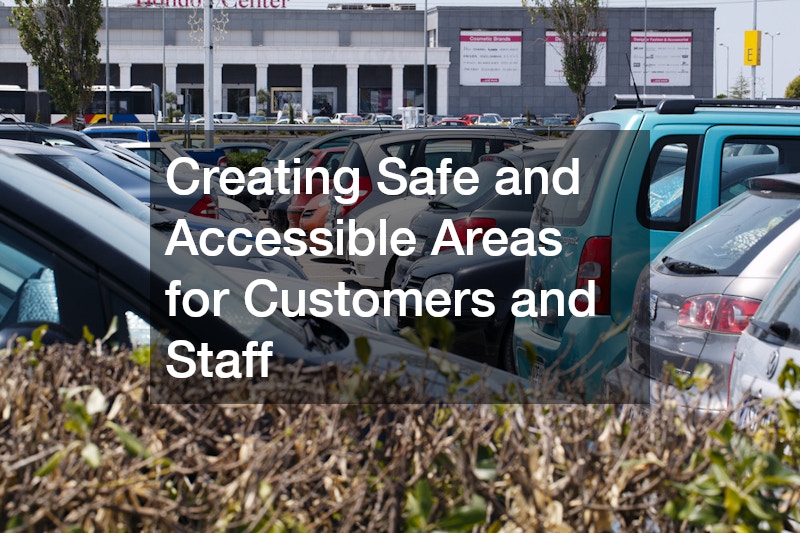
Parking areas often represent the first physical interaction customers have with a business. Safe, well-maintained surfaces help create positive impressions while supporting accessibility and convenience. Professional parking lot services play an important role in preserving these critical areas.
Regular maintenance may include crack sealing, resurfacing, striping, drainage improvements, and lighting enhancements. These measures help prevent deterioration while improving safety for pedestrians and vehicles. Proper upkeep also supports compliance with accessibility requirements.
Parking facilities should be designed to accommodate current and future needs. Adequate capacity, clear traffic patterns, and visible signage all contribute to a better user experience. A well-maintained parking area reflects positively on the organization and supports long-term operational success.
Selecting the right commercial property strategy requires careful consideration of both immediate needs and long-term business goals. While the decision to buy or lease often receives the most attention, successful property management extends far beyond the initial transaction. Every aspect of a facility, from its infrastructure and utility systems to its exterior appearance and accessibility, influences operational performance and customer perception.
Businesses that take a proactive approach to property planning are often better positioned to avoid unexpected expenses and operational disruptions. Evaluating building systems before committing to a location can help identify potential challenges and ensure the facility supports business requirements. This process allows organizations to make informed decisions that align with their budgets, growth projections, and operational priorities.
Effective property management also involves ongoing maintenance and strategic investments. Reliable refrigeration systems, efficient water heating equipment, durable roofing, and dependable plumbing all contribute to a stable operating environment. Likewise, attractive landscaping, functional hardscaping, and well-maintained parking areas enhance the customer experience and strengthen the company’s professional image.
As businesses grow, property needs often evolve. Facilities that support flexibility and scalability can accommodate expansion while minimizing disruptions. By planning for future requirements and maintaining critical infrastructure, organizations can create environments that support long-term success.
Ultimately, commercial property decisions should be viewed as strategic business investments rather than simple real estate transactions. The right property strategy creates a foundation for operational efficiency, employee productivity, customer satisfaction, and sustainable growth. Whether leasing a space, purchasing a building, or managing an existing facility, thoughtful planning and proactive maintenance help maximize value and reduce risk.
New business owners who understand the connection between property management and business performance are better equipped to make confident decisions. By evaluating ownership options, maintaining critical systems, and investing in facility improvements, organizations can create spaces that support both present needs and future opportunities. A well-managed commercial property does more than house a business—it helps drive its continued success.